
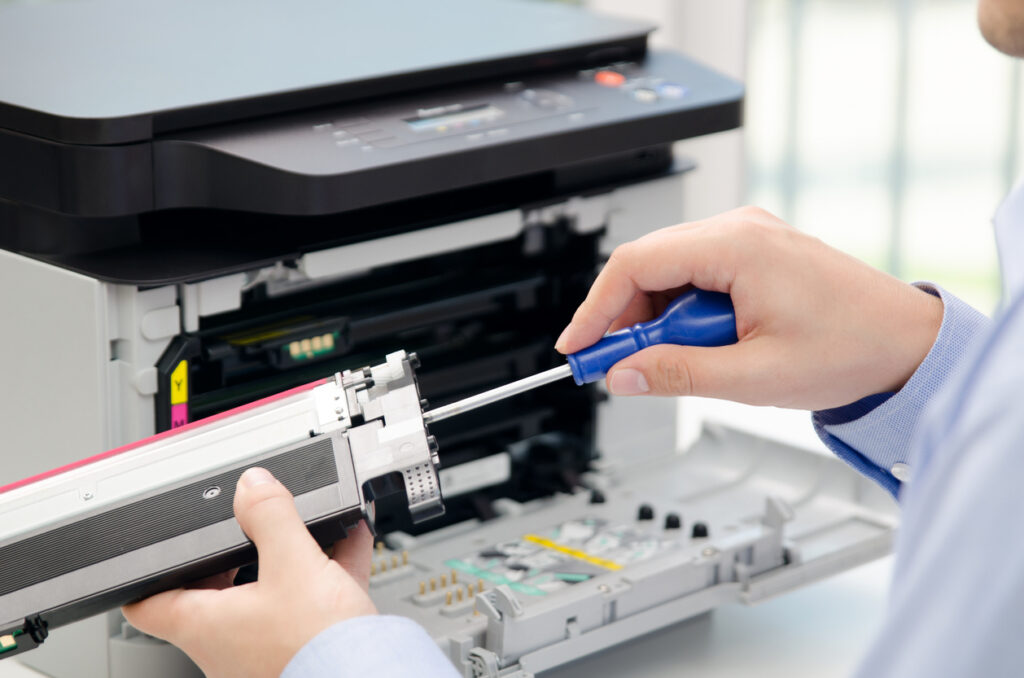
Nobody budgets for outdated technology on purpose. Equipment gets purchased, it works fine for a few years, and then, gradually, it doesn’t. There’s no single moment where a copier or a server becomes a problem. It just slowly costs more, does less, and creates more small headaches than it used to.
The trouble is that most of those costs never show up as a single line item. They’re spread across service calls, wasted time, security exposure, and energy bills, which makes them easy to underestimate until someone actually adds it all up. Here’s where that cost usually hides.
Downtime
Every piece of aging equipment eventually breaks down more often, and every breakdown costs more than just the repair. It costs the staff time spent waiting, the workaround someone has to find, and the task that gets pushed to tomorrow because the machine everyone depends on isn’t working today.
Example: A financial services office relies on a copier that has started jamming several times a week. Each jam costs maybe ten minutes to clear, but multiplied across a full office and a full year, that adds up to real, recurring lost time that never appears on an invoice.
Employee Frustration
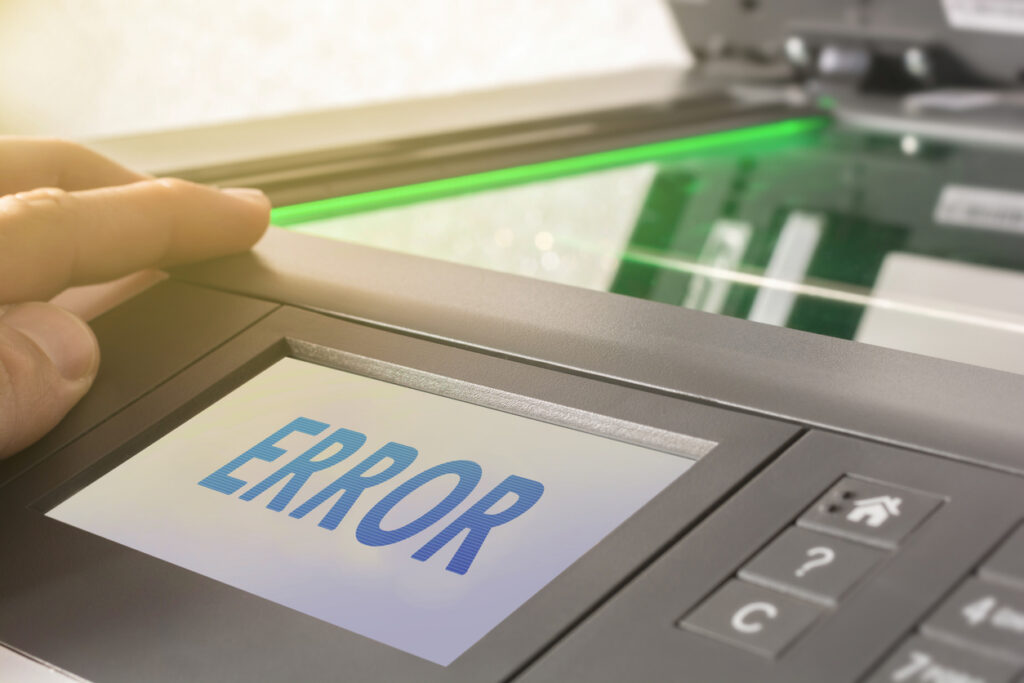
This one is harder to quantify but just as real. Staff who deal with slow, unreliable equipment daily develop workarounds, avoid using certain devices, or simply lose patience with routine tasks that should be simple. That frustration doesn’t stay contained to the equipment itself. It bleeds into how people feel about their workday.
Security
Older equipment is often running outdated firmware, may no longer receive security patches, and in some cases can’t support current authentication or encryption standards at all. A printer or server that was secure when purchased five or six years ago may quietly be one of the weaker points in your network today, simply because it was never designed to defend against threats that didn’t exist yet.
Example: A healthcare office continues running a legacy server past its manufacturer’s support window. It functions fine day to day, but it no longer receives security updates, meaning any newly discovered vulnerability affecting that platform stays open indefinitely, with no patch coming.
Energy Efficiency
Older equipment is typically far less energy-efficient than current models. Older copiers and printers, in particular, tend to draw more power both during use and in standby mode. It’s rarely a dramatic cost on its own, but across an office with multiple aging devices running continuously, it adds a steady, invisible line to the utility bill.
Hidden Printing Costs
Printing costs hide in places most businesses never audit: toner bought in bulk without tracking actual usage, devices mismatched to what a department really needs, print jobs nobody remembers sending. Without visibility into what’s actually happening across a fleet, it’s almost impossible to know whether printing costs are reasonable or quietly bloated.
Aging Equipment and End-of-Life Hardware
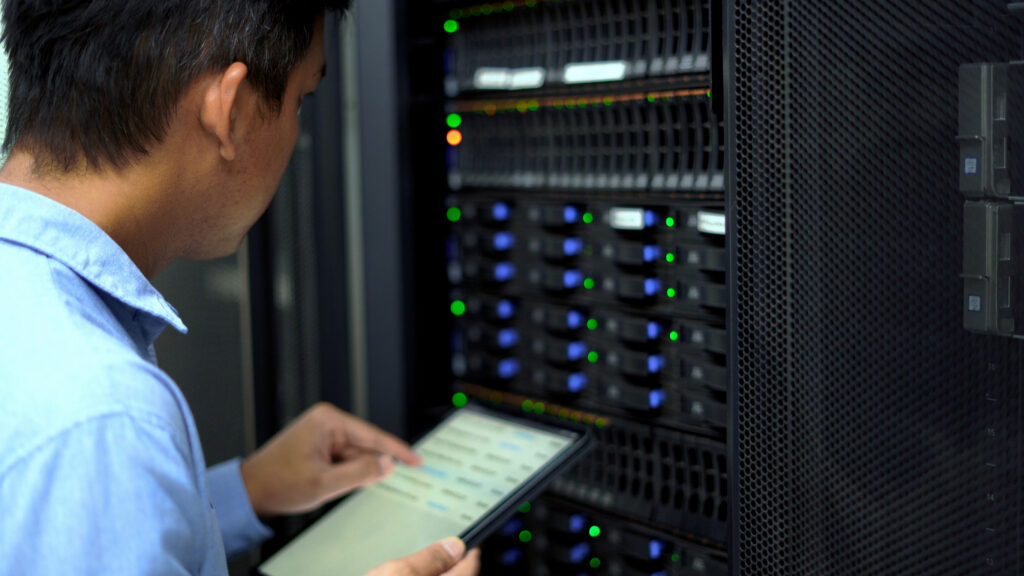
Every piece of equipment has a point where repairs become more expensive, and less effective, than replacement. Past that point, parts get harder to source, technicians spend longer diagnosing issues on unfamiliar older models, and the business is paying to maintain something that is functionally on borrowed time. End-of-life hardware, equipment the manufacturer no longer supports at all, is the far end of that curve: at some point, there is no fix available regardless of what you’re willing to spend.
Example: A manufacturing office keeps an aging production printer running well past its expected service life. Repairs become more frequent and more expensive, replacement parts take longer to source, and the business absorbs the downtime cost of a machine that would have been more economical to replace years earlier.
Leasing vs. Buying
This is less a hidden cost and more a decision that determines how exposed a business is to all of the above. Purchasing equipment outright means absorbing the full cost of aging and eventual replacement directly. Leasing spreads that cost predictably and often includes service and upgrade paths that keep equipment from reaching the expensive end-of-life stretch in the first place. Neither approach is universally right, but understanding the tradeoff matters more than most businesses realize when the decision gets made.
Add It Up
None of these costs are dramatic on their own. A little more downtime here, a slightly higher utility bill there, a security patch that never arrives. Individually, they’re easy to dismiss. Together, over the life of a piece of equipment, they often add up to more than the cost of replacing it would have been in the first place.
Not sure what your current equipment is actually costing you? Contact ABS for a no-charge assessment; we’ll help you see the full picture.